Immanuel

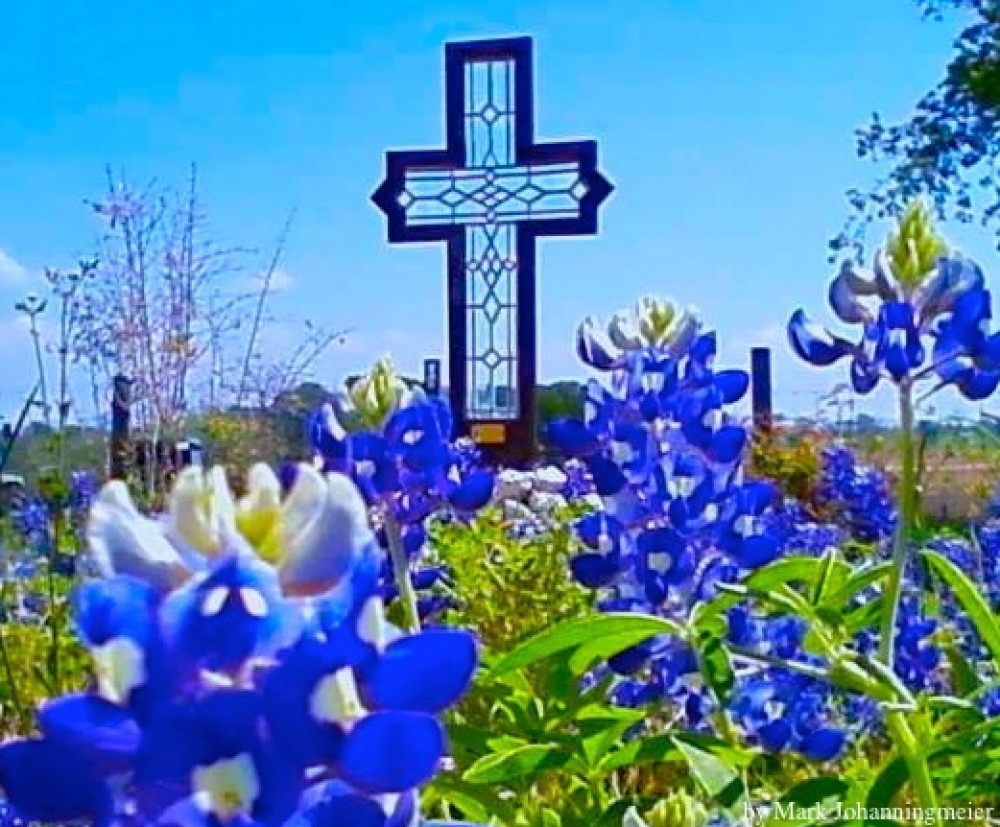
Immanuel means God with us. This morning (12/15), I woke up and all I wanted was immanu El. My thoughts, devotion, and other readings all spoke to God being with me (us). Now, some of this started after attending a performance of The Messiah, that much Scripture that centers in Isaiah 7 and 9 had an effect.

2024 is now old and limping towards its end, I do believe he has had enough. The kingdoms of this world have beaten and stomped this year and some will push their mess into 2025. Father God, reminded me of Immanuel and the Kingdom I belong too. The grand announcement of Immanuel was given to Isaiah at a BAD time in Israel’s history. Know what; they made it through. Hebrews 13 reminds us that God will not leave us by quoting Deuteronomy 31:6, Psalm 23, and Psalm 118:6,7. James 4:8 tells us to “draw near” to God because He is drawing us to Himself.

Is Immanuel a name, title, or a prophetic word of truth to comfort us? Yes, Praise God! I can see Mary telling the Shepherds when they came that God was here, and His name was Jesus (Matthew 1:21-23). Part of knowing that God is with me, is looking at some of these people and where they were when these references were written:

  • Isaiah was talking to Ahaz a “bad” king (See 2 Kings 16) who said he would not test God. Judea was about to be invaded by Samaria and Aram, and had to have Assyria bail them out (Isaiah 8:8). 8:10 uses another, but related, phrase for God with us.
  • Mary had at least six months of gossip and a troubled Joseph to deal with. Add several days of riding on a donkey while being nine months pregnant.
  • Deuteronomy 31 – Moses was telling Joshua that he would be the new leader after he died, before going into the Promised Land.
  • Psalm 23, I believe was written by David after he was anointed and before he killed the giant. His brothers were not exactly loving on him while he tended sheep. Yes, I took shepherd as helper. You may use Psalm 12, 30, or 54.
  • Psalm 118, I think was written by Solomon. He had to fend off a greedy, older brother and many of David’s advisors, he also built the first Temple.
  • The writer of Hebrews was happy that Timothy was out of jail.

In Chapter 9 our Immanuel has other titles given to Him because of His leadership role: Wonderful Counselor, Mighty God, Everlasting Father, and PRINCE of PEACE. The righteous relationship with God, that Isaiah talks about, will grow if we remember He is with us. My study-writing-therapy time today has been good, but I still have to take time and be still to fellowship with the God who loves me.

Lord’s Prayer – Forgive, Sin/Debts

Matthew 6:12 and Luke 11:4a focuses on two things: forgive and sins/debits. No, these are not perfectly identical. Luke’s version is longer and gives more details. I suggest you use Mounce or do a text analysis and compare our translations with the Greek. A major difference between Matthew and Luke is that Luke uses two words for sins. Here are some of the words you will see in these two versions of the Lord’s Prayer.

Matthew 6:12 MOUNCE – and forgive us our sins, as we also – Bible Gateway

Luke 11:4 MOUNCE – and forgive us our sins, for we – Bible Gateway

In non-biblical Greek writings, the words forgive, sin, and debit are frequently found in legal and commercial matters. This complements Jesus’ last utterance on the cross of a single Greek word. That single word was tetelestai, that is everything, everyone, and all has been paid for, and any debit has been taken care of in the future. THANK YOU, LORD JESUS.

This legal side of righteousness reminds me of the verses of Exodus 34:6-7 and Nehemiah 9:17 where the attributes of God are given. Him being willing to forgive us is just one of the things He is and does.

The Lord’s Prayer and Psalm 23

I have had a season of studying on bread, The Lord’s Prayer, epiousious, and I have looked at Psalm 23. These all came together when I thought about epiousious and the Lord preparing a table for me. The Father’s message about His Kingdom does not change, He may say it in a different way but the meaning is the same.

As I am learning how to use columns in WordPress this is visually off. It is the NASB translation; I have added the different effects to show how I think the sections relate.

Our Father, who is in heaven, Hallowed be Your name.

Your kingdom come.
Your will be done, On earth as it is in heaven.

.

.

.

.

.

Give us this day our daily bread.

.

And forgive us our debts, as we also have forgiven our debtors.

And do not lead us into temptation, but deliver us from evil.

The Lord is my shepherd,


I will not be in need.
He lets me lie down in green pastures;
He leads me beside quiet waters.
He restores my soul;
He guides me in the paths of righteousness
For the sake of His name. Even though I walk through the valley of the shadow of death,
I fear no evil, for You are with me;
Your rod and Your staff, they comfort me.


You prepare a table before me in the presence of my enemies;
You have anointed my head with oil;
My cup overflows.


Certainly goodness and faithfulness will follow me all the days of my life,
And my dwelling will be in the house of the Lord forever.

The Lord’s Prayer – Kingdom

The Lord telling us to pray for the Kingdom was bold then and of major importance for us today.

We have clearly addressed Who we are praying to and clarified where He is. That led us to praising Him by reminding ourselves He is holy. Our very first petition in this prayer is asking for the Father’s Kingdom to come. So, why was this a bold statement to make?

Jesus’ audience was very aware of who they were and their connection with God. They were the people God had selected, His kingdom people. Hebrews had history with God and they knew the promises that were theirs because of that history. Now, let me try to fit this prayer into the Gospels and remind us of Jesus and how we are His Kingdom.

Your kingdom come. Matthew 6:10a and Luke 11:2

In Matthew 3 and 4 (The First Block of Kingdom teaching) Jesus repeats John’s message of “Repent, for the kingdom of heaven is near.” (NIV) He tells the good news of the kingdom and reenforces His words by healing the sick. He then taught the Sermon on the Mount and shared more of His vision about His kingdom, this includes the Lord’s Prayer.

*Notes to Myself* Father was not a common way for Hebrews to speak about Jehovah God. The thought of the Father’s kingdom “to come” would have been met with very different ideas from these groups.

  • The People – This was the real power group in Israel, but I am not sure they realized that. Like now, they may have been fickle and easily swayed. There were many voices telling them different things and a common thread may have been how “we” are smarter, more holy, and stronger. Jesus went to them with the Good News, these others were just in the crowds.
  • Pharisees – They fostered the synagogues.  
  • Essenes – I know a little about this group but not a lot. John the Baptist may have been one and they did the Dead Sea Scrolls.
  • Zealots – If you hear “The Fourth Philosophy” on The Chosen, this is who they were talking about.
  • Sadducees – They controlled the Temple and did not want to lose it.
  • Herod – He definitely had his own vision and opinion.
  • Rome – They thought they were the kingdom.
  • Rebel groups – I am not sure all violent groups were Zealots.  

Could you see those three words (Your kingdom come) as a call for evangelism or mission work? Is it a form of Revelation 22:20 – Come, Lord Jesus? We could advance to the Second Block of Kingdom Teaching where Jesus has told the Twelve in Matthew 10:7 that the kingdom of heaven has come near, or Matthew 12:28 when He affirms that because demons are cast out that the Kingdom of God has come. I will be honest; those three words have made me think more the last several years than ever before. Just three words from our Savior and Lord can and should give us a lot to think about. If you do a word search/study Luke has many examples of “kingdom, come”.

We are/will be the Bride of Christ, so I will present a different look at Jesus’ first time here and His return. (A look into Hebrew wedding practices may help.)

  • Jesus came to select and call His Bride.
  • The ride into Jerusalem was Him going to claim His Bride and pay the bride price.
  • He paid the price and left.
  • Jesus is waiting on the Father to tell Him to come and get His Bride.

What does this kingdom look like? Jesus used parables and many start with “the kingdom of God is like”. Those parables talked about individuals finding the kingdom, using your talents, evangelism, and feast. There are also warnings about those who chose not to find Jesus’s kingdom.

The Father also talks about His kingdom in the Old Testament. It reflects who He is and what is important to Him. Holiness, Righteousness, justice, and forgiving are attributed to Him, but so is judgment for those who refuse to do right.  I have noticed that people like to tell God how His kingdom must work, most of this appears to be based on their emotions and poor choices.

Your will be done, On earth as it is in heaven. Matthew 6:10b; this phrase was apparently not in Luke in the earliest versions.

I read this somewhere and liked it (no reference), “Father rule on earth as you do in heaven”. Verse 10 has legal overtones, especially this part. The on-line Strong’s does make mention of this. The Greek word for will is thelema and this form of the word is in Matthew 6:10, 18:14, and 26:42. These are just a few times thelema is used in the Gospels

Bible 911 – Judges

Judges 9:11 But the fig tree said unto them, Should I forsake my sweetness, and my good fruit, and go to be promoted over the trees? (KJV)

Judges 9:11 is part of a parable, proverb, or fable (it depends on who you read) told by a son of Gideon. The story is a prophecy/curse over the people of Shechem for killing his brothers. The drama in Judges 9 is an extension of Gideon’s life. Not everything he did was right or righteous. Yes, he had faith to free and judge Israel, for that he is mentioned in Hebrews 11.

Gideon

Judges 9 is part of Gideon’s legacy. We are taught about his faith for the fleeces and the three-hundred lights and horns; these are what we remember. The gold statue with forty years of its adoration and the seventy sons do not make Sunday School lesson plans. The ugly soap opera drama in Chapter 9 is one huge showcase of fallen humanity and really hits at how far from God Israel was at that time. Yes, the Mercy Seat was just a few miles south in Shiloh.

Gideon is descendent from Manasseh, Jospeh’s oldest son. As a tribe they had the most land because they got portions on both sides of the Jordan. We are not sure where Ophrah, his hometown, was, but he called for help from the tribes of the north that were west of the Jordan.

His initial excuses in Judges 6 had the ringing of Moses when he was first called. He claimed to be the weakest and the least, but was he? No matter how he started by the end of his life he had many wives and seventy sons and a lot of gold. When Chapter 9 ends, he had one living heir, who was in hiding.

This is not the Manasseh in 2 Kings 21. This “most wicked” king was the son of Hezekiah, one of the best kings of Israel. (Interesting name associations. Genesis 41:51)

Abimelech

He was a violent, greedy man. Please, do not blame it on his mother’s status as a concubine. Half of Jacob’s sons came from concubines. https://jewishencyclopedia.com/articles/4585-concubinage There is no indication that Jether or any of his brothers caused a problem.

In 9:2 he claims something that is a little unusual, he identifies with his mother’s family while using his father’s legacy. Similarly, King Saul and Jonathan’s connection to Gilead and Lo Debar are probably from his grandmother’s family roots in that area (Judges 21). The mothers of Israel were and are important.

The word Abimelech is more of a title than a name, not bad for the son of a concubine. Abimelech | The amazing name Abimelech: meaning and etymology

Shechem

The town and its surrounding mountains are a foundation stone in the history of Israel. It starts with the sordid tale of the raping of the virgin daughter of Israel. It continues to the Blessings and Curses in Joshua. In the New Testament we find Jesus talking to the woman at its well and John and Peter praying for the people to receive the Holy Spirit in the same region.  Shechem is a Hebrew word that means “shoulder” or “the seat of a person’s interests”1 2.

Back to Judges 9:11

You know it is fun looking at something that happened several thousand years ago and talking about it with absolute certainty. Imagine the millions of times this account has been read and studied; now we have on-line Bible commentaries to tell us everything. Before you read the fruits of my studies, stop and think about Jotham for a minute. Now, this is the Jotham in Judges; the other Jotham is a grandson of David and in the family-line of Jesus.

Jotham’s name means Yahweh is perfect.

Abimelech had sacrificed his brothers on one stone. Apparently, he did not count well because he missed one. It is not mentioned, but I cannot imagine that just the brothers were killed. Townspeople and family members almost certainly died as well or were taken as slaves. Coups back then aimed at cleaning house with no one left to claim or complain. Jotham went from “riding high” to “hiding in a hole”. So, to brave it up and tell a story, then pronounce a curse against two towns speaks volumes about this young man.

Location, location, location is important here, well at least symbolically. Jotham climbs up Mt. Gerizim where his ancestors stood in the time of Joshua to pronounce the blessings from Deuteronomy 28. He was speaking to people (Manasseh) who were not on his mount; they probably were on the mount of the curses or in the valley surrounding a “great tree” (9:6).

Etz or plants that have a woody stem now takes center stage. I see our perfect God reusing four etz in this story that are mentioned (my opinion) when Adam and Eve betrayed God. There were other trees in Israel and the surrounding nations that could have been used: oaks, cedars, palms, pomegranates are just a few. The olive, fig, and grape all have edible fruit (or products) that were/are important in the daily lives of the people. Thorns, like grapes, have a “woody” stem, but its main product and fame was an unproductive growth that was great for burning and hurting. The olive, fig, and grape knew they would have to give up something to rule, and they felt that it was not worth it. The thorn did not have to give up anything.

In 9:11 the fig did not want to give up its good fruit that was so sweet. Fig may be smug, but it was not wrong; none of the trees were. The natural importance of figs and the other etz make them ripe to be used in spiritual lessons. The fig is associated with religious works because of its debut in the Garden to hide the shame of sin from the eyes of God. Figs are mentioned several times in Numbers and Deuteronomy; the people use them for complaining and God uses them as part of the promise in the new land. Matthew has Jesus referring to them in the Sermon on the Mount and then using them twice in connection to the Sermons on Two Mounts. The last reference to figs is in Revelations when the sixth seal is broken, and they fall off of the tree because of fierce winds. My suggestion – STUDY. I saw and learned things in this study that I had not seen before.

Well, it is time to check my inner Sadducee, step over my Pharisee limitations, and quell my Zealot tendencies and rethink fig. The fig was good (tov) like everything God made in the Garden. It became the second tree (etz) that Adam and Eve tainted. They worked it into a covering to shield them from a righteous God. (Not the work they were made to do.) The Father made a sacrifice and gave them new “skins”. Many references with fig have a negative side, especially if you want to be grumpy, but the fig tree helped Zacchaeus to see Jesus. I will keep the thought of the fig and its tree representing works and remember there are religious works and works of righteousness.

Does Jotham’s parable have more than one layer? I am sure it does. Abimelech and the townspeople probably thought about it and asked questions for several years. Then reality and its truth grew thorns, stuck them, and blossomed into open hostility. Think about what groups or thoughts the four etz may represent.

These are some references that may help you study.

  1. Olives the oil honors gods and men; oil Strong’s Hebrew: 1880. דָּ֫שֶׁן (deshen) — fatness, ashes of fat, honor Strong’s Hebrew: 3513. כָּבַד (kabad or kabed) — to be heavy, weighty, or burdensome   give up oil not fruit
  2. Figs good and sweet; sweetness Strong’s Hebrew: 4987. מֹ֫תֶק (motheq) — sweetness, good Strong’s Hebrew: 2896. טוֹב (towb) — beautiful, fruit Strong’s Hebrew: 8570. תְּנוּבָה (tenubah) — fruit, produce
  3. Grapes cheer gods and men; new wine Strong’s Hebrew: 8492. תִּירוֹשׁ (tirosh) — must, fresh or new wine, rejoice Strong’s Hebrew: 8055. שָׂמַח (samach) — rejoice, be glad
  4. Thorn – get low (humble yourself) and come under my shade Strong’s Hebrew: 6738. צֵל (tsel) — a shadow

Do not leave these out of your quiet time reading, they may be appealing.  

Strong’s Hebrew: 5128. נ֫וּעַ (nua) — to quiver, wave, waver, tremble, totter

Strong’s Hebrew: 6086. עֵץ (ets) — tree, trees, wood

When I branched out from Judges 9:11 I found these and thought they were interesting.

Rabbi Meir 

Forbidden fruit – Wikipedia This one is wild and has many “different” ideas.

Judges is history. In the accounts are natural and supernatural deeds and lessons, some have been okayed for Sunday School and others would require too much explaining. Four Judges are mentioned by name in Hebrews 11 and not all of those are children’s stories. It is very easy to pick and pull at them, like Chapter 9, and miss the real hero in the Book – Father God. He had a plan and a purpose, but His people had other ideas. Take your focus off of the Judges and find what God did in them and through them to carry Israel. Father wanted a righteous relationship with them just as He wants one with us now.