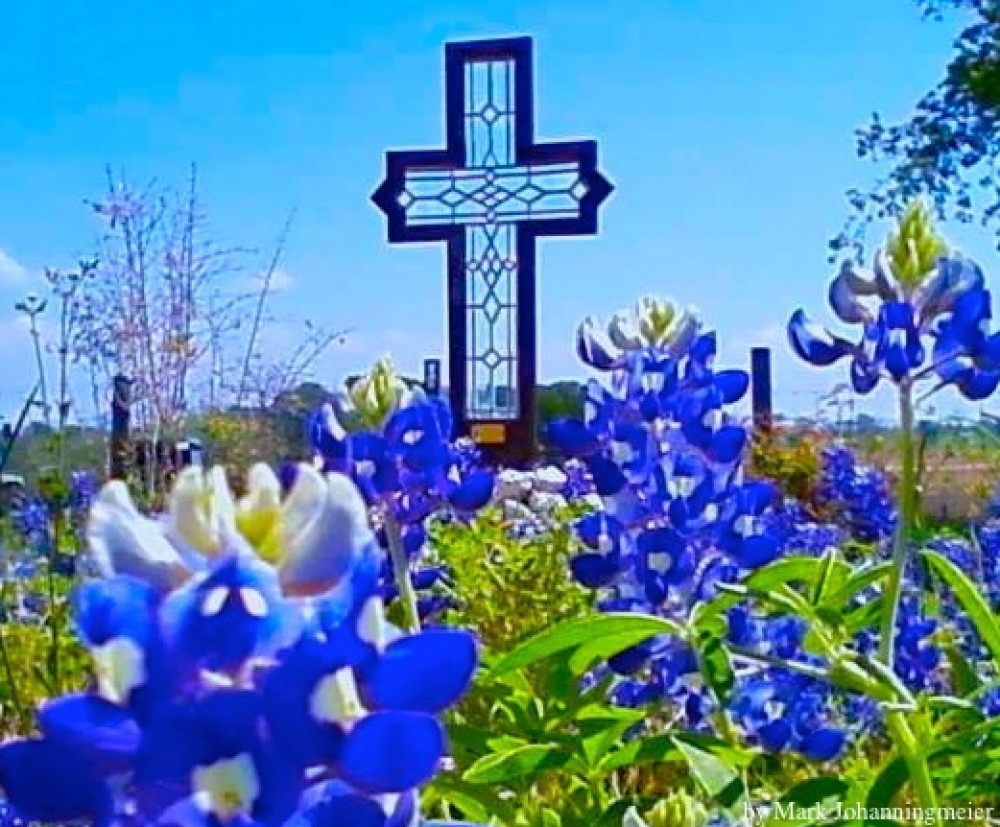
Shadow-Protection 

Shadow is a metaphor for protection in many verses of the Bible. As I have mused on these verses, it is God who is doing the protecting and His people are what is being protected. Shadow and shade are not the only ideas we need to look at for the area of protecting someone. We will add the words pillar and cloud to expand the study. 

Pillar of Cloud and Clouds 

Okay, I will touch on these as two different things, but the cloud will not just produce shade but protect you from the glory of God. Wait a minute, shadows are produced by solid objects, and clouds are not solid! This is true, the blocking ability of clouds is in the billions of waterdrops that scatter the light rays from being able to get through them in a straight line. The darker the appearance of the cloud is due to how dense the droplets are in it. “Silver-linings” are from this light-scattering property. 

Many references to clouds are part of a story where the glory of God is involved. From Exodus 13 through Deuteronomy 31 “a cloud” and the “pillar of cloud” are usually the same thing if they are talking about God interacting with people. In Samuel, just a cloud is covering things or hiding the glory. The “pillar” that led the Children is not mentioned past Deuteronomy except in Nehemiah 9 when he is used it to show the faithfulness of God. Did the pillar of cloud go past the Jordan? Isaiah 4:5-6 does describe what my paradigm of the pillar of cloud did for those forty years. In Psalm 99:7, a function of the pillar is told of how and when Moses spoke with God.  

What did the cloud by day and the fire by night look like? I recently saw a drawing where the “pillar” was a narrow thing that only stood over the Tent that housed the Ark. Many of the references in Exodus may lend weight to this idea. I always had the idea that the “cloud” provided shade for the camp during the day and light and warmth at night. I had hoped that Balaam (Numbers 23) or Rahab (Joshua 2) said something about the pillar and cloud, but they did not, so for now I will hold on to both of those ideas. 

Shadow Of 

In the NIV “shadow of” followed by “His wings, His hand, and the Almighty” is found in seven verses. His hand is found in Isaiah 49:2 and 51:16. God’s hand was protecting Isaiah as part of him doing his ministry. I believe the other five have a connection to the Exodus. 

The “shadow of His wings” puzzled me. I just never thought of the Father as having or needing wings. More metaphors, possibly? In studying the Ark, the Mercy Seat or lid to the box offered a better picture. The two angels that are part of the lid were made to spread their wings over the Mercy Seat, which was sprinkled with blood and where God talked to Moses from. Being in the shadow of those wings would put you at the mercy of God. The shadow would be greater if the wings spread out horizontally and not vertically (Exodus 25:17-22). A Google search of the Mercy Seat shows the artist making the wings in both directions. I like that picture of being in the shadow protected while resting on His mercy. 

I believe Moses wrote Psalm 91 as a singing lesson to teach the Children in the wilderness. Verse one is the first visual as they lived under the cloud of the Almighty. The rest of that psalm could be connected with many of the things that happened as Israel left Egypt. 

Study work-connect the verses of Psalm 91 to events in the Exodus. 

Shadow-Metaphor 

Shadow as an idea or a real thing is used in the Bible and literature, especially poetry, as a metaphor. In Psalms, we may “hide (or rest) in the shadow of the Almighty” and know we are protected, or the Law and the earthly Ark are but shadows of better things (Hebrews). So, when you read passages and stories you have to read things in the context of what the writer is saying. 

Good or Bad 

Like knowledge or wine/grapes, a shadow may be a good thing or a bad thing. We can hide in the shadow of God’s wings, or someone can shoot arrows at us from the shadows (hiding). In the Lord of the Rings, Frodo was passing into the shadows or shadowland after he was stabbed. On a hot day, who does not like to sit in the shadow (shade) of a tree or umbrella?  

Luke 13:19 is the story of a mustard seed (Kingdom of God) growing into a tree and birds using its shade (shadow) to nest in. In this story, the shade is good because it represents the Kingdom, but those birds (usually a metaphor for bad things) are taking advantage of the Kingdom and raising things that will just use the Kingdom.  

The Ancients 

Moses, David, and Jesus (the Holy Spirit) all used shadow as a metaphor in their teachings and writings; it has been around for a very long time. (Use the sites below as a learning tool, I did. I just may not agree with everything they wrote.) I enjoy looking at the roots and early thoughts of words and ideas, it is how our “box” was formed so we can think outside of it. 

A shadow is a place of separation. It can separate light from dark and thus became a divider for good and evil. The shade also becomes a symbol of protection because of His hand, wings, or Himself. 

In the NIV shadow is used in forty-four verses, some things the KJV (60+ times) would call shadow, it uses darkness. Other translations have varying numbers of verses that use shadow. To be fair you might have to search shade or even cover to find verses that you want.  

WORD STUDY – THE SHADOW OF HIS WINGS – בצל כנפיכ | Chaim Bentorah  

Tselem: Being IMAGE bearers – Hebrew Word Lessons 

Shadow  

Shadow is the perfect example of a Bible study that had multiple reasons to start it. The first is the phrase “in the shadow of your wings”. The second is the from the Tolkien trilogy Lord of the Rings. Then the “science teacher” kicked in and I remembered that shadows are naturally occurring things. The metaphors then divided the writer part of me, requiring that the light and dark side of this come forth. Yes, there will be several posts from this thought. 

The science part first. Shadows occur because there is a light source strong enough to cause one. A solid object blocks the light and as the rays respond to the object a shadow is formed. The brightness of the light, the size of the object, and the distance that separates them determine the shadow.  

Earth’s shadow is the biggest one we deal with every day; you know it as night. We tend to not think of night as a shadow, but the earth is blocking the sun’s light rays from us. During the night we are in the umbra of its shadow. That is the darkest part. Loosely, we could call dawn and dusk the penumbra, or the lighter part of a shadow. The light-scattering properties of the atmosphere also come into play at these times of the day. 

You may not always see a penumbra, but it is there. It may only be a thin lighter part that rings the main shadow, but it is present. If the source is bright enough our eyes may have a hard time picking it out, and it may not be very wide. 

Unless you are Peter Pan, shadows are very obedient and follow your every movement. They will resemble the object that is blocking the light, but it may not be a perfectly clear image. The penumbra will add to the haziness of an exact match. The surface you view the shadow on will also affect its appearance. As the angle of the light changes to the solid object, so will the umbra. 

In dusk and dawn, the color of things will appear different. This is because of the amount of available light that enters our eyes and activates the cones and rods of the retina. A very simple idea needs to be said here. You will not see your shadow if you are facing the light, it is there but you have to look for it. 

Questions for you: What is the third type of shadow called? What common item has umbra as part of its name? 

Numbers 9:11

This Bible 911 is from Numbers and is about the second Passover the Israelites were to celebrate in the Exodus. Our verse shows how important it was to God that all of His children remember their personal and corporate exodus out of Egypt. A problem had come up because some of the people were unclean during the first month and could not join the community in the observance. Exodus 12 has the story and the rules for the very first Passover.

11 The fourteenth day of the second month at even they shall keep it, and eat it with unleavened bread and bitter herbs. (KJV) bold added

If you missed the first month you had to observe Passover during the second month of the year. The rules were the same; verse twelve stresses not leaving any of the lamb until morning, and breaking no bones of the lamb. The lamb was killed on the fourteenth and eaten overnight on the fifteenth. Remember their day starts in the evening.

Jesus was our Passover Lamb and He was killed before twilight and buried before the morning. His legs were not broken because He was already dead. All of this was not wasted on the centurion, that is why he said that Jesus was the Son of God (Matthew 27:54).

Extra: I have no doubt that Passover was celebrated it just is not mentioned that often in Scripture. Find all the times it is recorded that Passover was observed.

The Sons of Korah

When you read the Book of Psalms you will see the “sons of Korah” in the titles of psalms in the 40s and the 80s. Yes, these are the heirs of the Korah who rebelled against Moses (Numbers 16). Numbers 26:11 states that they did not die out during the rebellion. My guess on that is some of them were doing their appointed task of being gatekeepers for the Tabernacle; so they were not swallowed up. (Please note that Korah rebelled but the Reubenites—Dathan and Abiram, and On son of Peleth would not even talk to Moses and made some very wild claims about him.) If you look at the camp arrangement around the Tabernacle you will see that the Kohathites (Korah was of this group) were camped next to the Reubenites. So, the earth opening up may have been in a small area on the south side of the camp.

In Numbers 27:3 the daughters of Zelophehad made a point to mention that their father had not died in the rebellion. It makes it sound like the whole affair had become a curse around the camp.

Kohathites are members of the Tribe of Levi, he was one of the three sons; Gershon and Merari were the other two. Kohath had four sons, but the most important are Amram and Izhar. Moses and Aaron are children of Amram. Izhar fathered Korah, Nepheg, and Zikri (Exodus 6:21-24). Korah had three sons.

The Kohathites were responsible for the Ark and the tent that covered it. Okay, Aaron and his sons took care of the sacrifices and the Ark, and the rest of the family was responsible for moving everything in the Tent of Meeting on their shoulders. This included the Ark, all tables, the lampstand, the altar, and all of the utensils (Numbers 4).

Other Duties

From Moses to Jeremiah the family of Korah and all of the other Kohathites served God by doing many tasks and helping in times of need. God did not hold the children responsible for the sins of their father Korah. These are some of the things the sons of Korah did during the centuries.

  • 1 Chronicles 6:31 to 37-David singled them out as musicians.
  • 1 Chronicles 9:19-They guarded the entrance to the dwelling of God.
  • 1 Chronicles 9:31,32-Mattithiah baked the bread for the offering in the Tent.
  • 1 Chronicles 26:19-gatekeepers
  • 2 Chronicles 20:19-they stood and praised the Lord.
  • 2 Chronicles 29-Hezekiah and cleaning the Temple.
  • 2Chronicles 34-Josiah cleaning the Temple.

Out on a Limb

David picked the sons of Korah and other Kohathites to be his musicians for a reason, I think he was a practical man. My thought is that they were already in the position of praising God. It is clear that Moses and Miriam praised God, and there were mandates to do so. The only/first time I found someone to be put into a position to do it was with David and Solomon. They ordered the family of gatekeepers to be in charge of praise. What if that started back with Moses and just continued through the years to David.

1 Samuel 2:22 is another verse/idea that may back my thought up. What were the women doing at the entrance to the Tent of Meeting, and how were they serving? Could they have been singers, serving with the gatekeepers who were praising? Maybe they were Korahite women.

I have felt that Moses wrote Psalms 90 (attributed to Moses in the title) to 100, this is due to the material that is covered in them and Psalm 101 is “Of David”. Apparently, Jewish custom agrees. It was a note that cited Rashi when I looked up who wrote Psalm 100. Psalm 100:4 has that we should “enter His gates with thanksgiving and His courts with praise”. That fits very well with the gatekeepers (the sons of Korah) playing music and singing as they watched the gate to the Tent of Meeting.

New Testament

Jude 1:11 is the only mention of Korah in the New Testament. It is a “curse” that connects to the rebellion. He is matched with Cain and Balaam. Not the best way to be remembered. However, the sons of Korah that survived went on to bless the Lord and be blessed by Him.

Your Chance to Study

What were the duties of the sons of Gershon and Merari for the Tabernacle? Why did these families get carts?