This edition of Fruit and Nuts pairs apples and Solomon; this works well because most of the mentions of apples was made by Solomon in Proverbs and the Song of Songs. Just for the record, I do not think the medieval artists were right in making the forbidden fruit in the Garden an apple.
Apples – Yes, there were apples in the Levant during Bible times, they seem to have come from the Persia area. I have read several references that suggest that term has more to do with the shape of the fruit than a specific species. No, they were not like what we think of as apples in this modern era. This reference mentions that the pome order of plants may have also been given that title. Strong’s Hebrew: 8598. תַּפּ֫וּחַ (tappuach) — apple tree, apples The smell of the blossoms was important and highly prized in gardens.
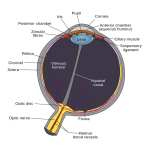
The phrase ‘apple of the eye’ is used several times in the Bible and refers to the bulging, rounded shape of our eye. It is connected to how sensitive the eye is and how we protect it by blinking to keep it moist and closing our eye lids when something flies at it.
- BibleGateway – Keyword Search: apple
- Strong’s Hebrew: 380. אּישׁוֹן (ishon) — Pupil (of the eye), Apple (of the eye)
- Strong’s Hebrew: 892. בָּבַת (babah) — Apple (of the eye)
Apples and apple trees are connected to God’s protection for His people and His love towards them (Song of Songs). Even the verse of Joel 1:12 has that idea when it talks about those trees drying up, when they were doing good it was a blessing. This is one reason I do not think the forbidden fruit was an apple.
Solomon – The fruits of his life are a mixed bushel of apples. Some were very good and he made some so bad that they should/could not be eaten; like the figs in Jeremiah 24. His behavior after a good start is what got him the nut portion of this post.
Honestly, Solomon has always puzzled me. He had parents who loved him. God loved him, 2 Samuel 12:24, and gave him wisdom and wealth, he built the temple that was used for several hundred years, plus he wrote books of the Bible. But he went off base and angered God.
His journey is recorded in 2 Samuel, 1 Kings, and 1 and 2 Chronicles; the Books of Proverbs and Song of Songs also give us insight to his life. He had some of his many psalms be used in the Book of Psalm; he wrote more but we do not know where they went. He started strong, but his decline is well documented and references several times.
His legacy is seen in a few other spots in the Bible. Hezekiah’s men collected some of his proverbs and included them with the others. Any mention of the temple should bring him to mind; that may be one reason Herod named part of the temple he built as Solomon’s Colonnade. Most of the times you find his named used is in connection to things he made for the temple or families of people he had serving in the temple. Jesus is quoted by Matthew and Luke about the wisdom given him; plus, there are references to Proverbs in prophetic books and in the New Testament. So, it is not like he was forgotten, but he sure does not compare with the memory of David. You may have noticed I did not mention Ecclesiastes; he only identified himself as ‘the Teacher son of David’. I hope that this book was written at the end of his life and maybe he returned to the Lord.
As I pondered all of this, I came up with this idea; please humor an old man as he straddles the edge of ‘the box’. David is a Messiah-figure in the beautiful song I call the Old Testament. Solomon was the favored child of David and was given many things and did many things for God and still went bad. Jesus is the Messiah and ‘birthed’ the Church. Have we ‘The Church’ followed in the footsteps of Solomon? We have acquired wealth/gold and show it off, been consumed with wisdom and knowledge, and have married ourselves to 1,000 different things other than Jesus and His Gospel and the Father’s Kingdom that is to come.
In the early days of kings of Israel, the Levant and the Middle East had many things happening. International trade, international terrorism, and the weather created change in the region. One country that was always present was Egypt. One of the first things Solomon did was marry an Egyptian princess; that may have been good politics, but God had commanded not to go back to Egypt for help. That was the beginning of Solomon going off base.
These verses are from Bible Gateway and are in the NIV. They really are not in any order.
- 2 Samuel 12:24 Then David comforted his wife Bathsheba, and he went to her and made love to her. She gave birth to a son, and they named him Solomon. The Lord loved him;
- 1 Kings 10:23 King Solomon was greater in riches and wisdom than all the other kings of the earth.
- 1 Kings 3:3 Solomon showed his love for the Lord by walking according to the instructions given him by his father David, except that he offered sacrifices and burned incense on the high places.
- 1 Kings 9:24 After Pharaoh’s daughter had come up from the City of David to the palace Solomon had built for her, he constructed the terraces.
- 2 Chronicles 30:26 There was great joy in Jerusalem, for since the days of Solomon son of David king of Israel there had been nothing like this in Jerusalem.
- 1 Kings 11:11 and 14 So the Lord said to Solomon, “Since this is your attitude and you have not kept my covenant and my decrees, which I commanded you, I will most certainly tear the kingdom away from you and give it to one of your subordinates.
- 1 Kings 11:1 all of chapter 11 is a list problems
- 2 Kings 23:13 The king also desecrated the high places that were east of Jerusalem on the south of the Hill of Corruption—the ones Solomon king of Israel had built for Ashtoreth the vile goddess of the Sidonians, for Chemosh the vile god of Moab, and for Molek the detestable god of the people of Ammon.
- Nehemiah 13:26 Was it not because of marriages like these that Solomon king of Israel sinned? Among the many nations there was no king like him. He was loved by his God, and God made him king over all Israel, but even he was led into sin by foreign women.