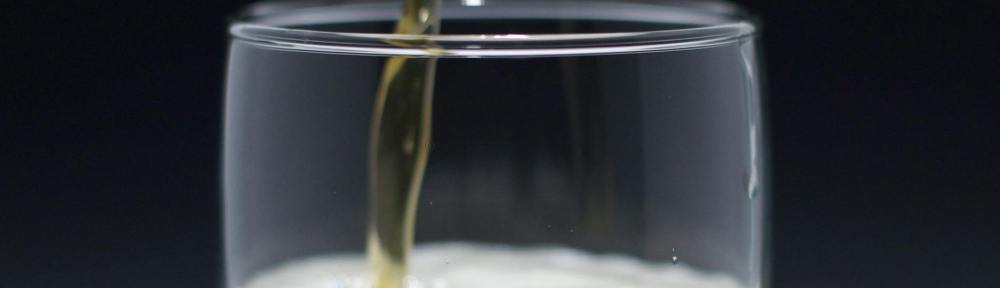
Wine, beer, and vinegar are some of the beverages you find in the Bible. These three all have their beginnings with yeast. Vinegar was made by letting air have free access to wine and the bacterium in the air does the rest. No, I do not think the ancients would talk to you about microbes, but they did understand yeast starters and the like. From everything I have read, their wine and beer are not like their modern counterparts. (See the articles below.)
Do I consume alcohol? No. That decision came very early in my Christian-walk and had nothing to do with Bible study or outside influences. Over the years it has been interesting to experience the reaction of people who do drink, when I choose not to. I do not remember anyone ever asking me why I don’t drink. SO, this study in not about your choice or mine. It is an introductory look at the topic because it is in the Bible.
There may have been distilling units in the Indus Valley a long time ago, but the production of alcohol got its start in Spain in the late 1200’s. (From an internet search.) So, Biblical references to “strong drink” are not what we call “intoxicating drinks”.
A reoccurring thought/statement is that wine, beer, and vinegar were safer and healthier to drink than the water. I find no reason to argue with that as not everyone had a nice spring next to the house. Please leave opinions and preferences aside and look at Paul’s advice to Timothy in 1 Timothy 3:38 and 5:23. (I have heard statements about divine healing, medicine, in favor of and totally against drinking come from these verses.) In 3:38 Paul says “much” wine, not avoid wine. Timothy may have been choosing to not drink (like a Nazirite vow). Paul may have been repeating Luke’s medical advice because of the water, no that is not mentioned. Was Paul confused? I think the advice of “not much” and “a little” is what needs to be heard and why he might recommend this. This pair of verses show the good and evil sides of the same drink.
Vinegar or Sour Wine
Bacteria in the air will change alcohol into acetic acid, changing wine into vinegar. The ancients were not as quick to throw things away as modern societies do. You will find Ruth dipping her bread in vinegar during her rest break and Jesus being given some as He hung on the cross. I have come to believe that soldier, who was mocking Jesus, did not offer that to be nice.
Beer or Strong Drink
This ancient drink has a history much older than Moses and the five books he wrote. From everything I have read, it did not resemble our modern six pack from the corner store. The Egyptians baked bread and then made it into beer, apparently, they had various flavors and colors of this brew. It was part of the workmen’s daily wage in Egypt.
Compare an undiluted beer to straight water and it is “strong”; even the wine could be watered down and had things added to it for flavoring. Get modern out of your head, it is not the same drink, but it was possibly drunk every day.
Wine or the Blood of Grapes
If you chose to translate “new wine” as grape juice, that is fine. Grapes are harvested in the fall in Israel. I am not sure their refrigeration units would have kept the juice fresh until the springtime Passover Feast. I do respect your choice about not consuming the 12%. Christian Brothers used to make a nice communion wine, Manischewitz was also good, I do not suggest MD 20/20 as to many people wanted seconds.
Basic winemaking has changed little since Bible times; it has gotten more efficient and the product looks a little different. Mixing wines and adding flavors to it was practiced very early in human history. Like beer, it was more of a daily drink, because it could be stored once the alcohol killed off the yeast. In reading the Bible, excessive drinking was the problem and not the wine. Having “just one” does not always work.
Like knowledge, wine has a good and evil role in human history. Noah got drunk and Jesus said to remember it as His blood in communion, that is a wide spread for uses. Because of its many uses and restrictions, I see a lot more in that wood-plant that produces grapes.
Some positive references:
- Genesis 14:18 – Melchizedek brought out wine and bread as a refreshing meal to Abraham and his party.
- Judges 9:13 – The vine did not want to lose its new wine that cheered God and man to rule over trees.
- New wine was part of the blessing in Joel 2:19.
- Luke 7:33 and 34 – John the Baptist may have taken the Nazirite vow as found in Numbers 6:3, and was called crazy. Jesus must have drunk wine because He was called names.
- It was a Drink Offering to the Lord.
Some other facts about wine:
- Proverbs 20:1 – Wine is a mocker and beer is a brawler. If you use Bible Gateway looking for wine and beer, use the NIV. It is listed nine times; other translations have strong or intoxicating. Proverbs 20:1 Hebrew Text Analysis (biblehub.com)
- Nazirite Vow- Numbers 6:3. No wine, strong drink, vinegar, raisins, or any other part of the grape plant. Numbers 6:3 Hebrew Text Analysis (biblehub.com) I feel it is important that in the rules for separating yourself for God, that the two major things were no grapes/yeast and hair. Step very carefully into that study.
- Deuteronomy 29:6 – Moses is talking to the Children, they had no bread, wine or strong drink for almost forty years so they could know God. Sounds like the vow for the Nazirite. Once they got manna they had no yeast. Deuteronomy 29:6 Hebrew Text Analysis (biblehub.com)
Ancient Israel and the History of Beer – Biblical Archaeology Society
Beer in Ancient Egypt | Ancient Egypt Online
Frogs in the Bible | Mark’s Bible Study (ificouldteachthebible.com) Heket, the frog goddess and goddess of beer/bread, many of my original links are gone from the net.
Strong’s Hebrew: 3196. יָ֫יִן (yayin) — wine (biblehub.com)
Strong’s Hebrew: 7941. שֵׁכָר (shekar) — intoxicating drink, strong drink (biblehub.com)
It is important to know and remember that Jesus is our life, not if you drink or do not drink. Wine, beer, and vinegar were part of biblical life.
 Mark's Bible Study
Pingback: Bear Fruit | Mark's Bible Study