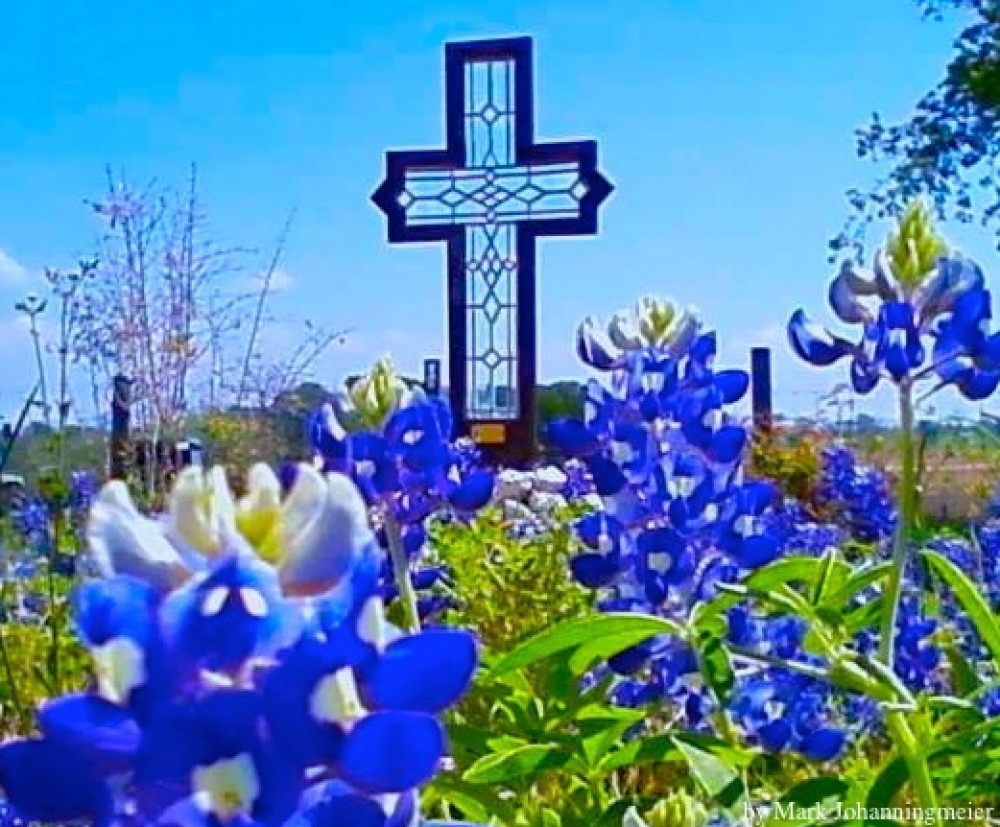
This installment of Bible 911 is from Zechariah and is a word of hope. It is part of the foretelling of Jesus’ Easter/Passover mission starting with His Palm Sunday ride into Jerusalem (verses 9-13). I will start with the focus verse and then fit it all into Easter. Have your Bibles handy as I will put down a lot of verses you may want to look up. I use the NIV, so that may help in your quest.
9:11
Blood of the covenant – If you search in a Bible app the best thing you will find in the Old Testament is Exodus 24:8. The setting is Mount Sinai and Moses is finally offering the sacrifice that Pharaoh would not let them, go do. Before the blood of this covenant was sprinkled on the people, Moses read to them the Book of the Covenant. I will go back in time from this offering and give other blood sacrifices and covenants that are types and precursors to this one and that look ahead to Jesus on the Cross.
God made a covenant with blood in Genesis 15:18 with Abram, which was binding to all of his unborn children. In this story, a burning torch and smoking firepot passed through the slain animals. This is very much like the Children passing through the Red Sea after killing the Passover lamb and on their way to Mount Sinai.
We need to travel back to Genesis 4 and the first spilling of blood by a man. Hebrews 12:4 brings up the blood of Able in connection with the new covenant and sprinkled blood. (Remember he had made a proper sacrifice to the Lord.)
We need to step further back and point out what must have been an animal sacrifice, even though the terms we are looking for are not present. Genesis 3:21 has hides of animals being used to cloth, Adam and Eve. I believe that these animals were sheep. (They are not identified.) If they were Adam and Eve were clothed in a lamb because of their sin. This may be the blood and sacrifice of the covenant. (We have hints of things going on “before the foundations of the world” (KJV) but that would be another post.)
New Testament verses for you to look up-Matthew 26:28 (Mark 14:24), 1 Corinthians 11:25, Hebrews 9:20, 10:29, 13:20. these are references to Jesus, blood, and the covenant which is the point of His death on the cross.
Waterless Pit – The other part of Zechariah 9:11 is the waterless pit or cistern (CJB). It has also been translated as a dungeon. I like cistern the best, it brings to mind where Joseph and Jeremiah were thrown when they were imprisoned. It was a common thing in Israel to dig holes and store water in them. They are in other stories in the Bible. we are set free of our pits when we accept and walk in the grace of Jesus. the love of the Father, and fellowship with the Spirit.
Before going to the Easter connection, there is one more thing I found. This is not in Zechariah. It concerns salt and its connection to the covenant and sacrifice. This is my “think about” assignment for this post, why is salt referenced with these two things?
The King Rides In
There are many God-given types and shadows and metaphors in the Bible. It seems that their importance has been pointed out to me quite a bit lately. So, when I thought about Zechariah 9:9 and how this relates to our Easter/Passover stories it made me reflect on these gems throughout the Bible. God really is a God who likes to hide things so we can search them out. The triumphant ride into Jerusalem and all of the events of this week have been shadowed starting in Genesis and laid out for us in every book of the First Covenant.
Zechariah 9:9 is one of several stories about kings returning to save and restore peace to the Daughter of Zion and Jerusalem.
- 2 Samuel 19 has the account of David returning to Jerusalem after the defeat of Absalom. Even though the country was in chaos, I have to believe that there was still a parade that started on the Mount of Olives. This is the same path that Jesus followed as He left the Jordan River.
- Revelations 7:9+10, 6:2, and 19:11 also tell of Jesus’ second return to Jerusalem to claim His Bride and how that time will look. It is an interesting “comparison and contrast” to Zechariah. He will be on a war horse, not a colt.
- These two were leaders but not kings. Joshua followed a similar route after Israel crossed the Jordan. Elisha also traveled this path as he went back to Mount Carmel (possibly looking for Elijah). It is a retracing of Elijah’s trip to the Jordan River before he was taken by the fiery chariot.
Verse 10 reflects the promise in Exodus 24 about peace and the territory that would belong to Israel. This area was probably realized under David and Solomon. Ephraim and Jerusalem represent the North and South Kingdoms but also speak of the blessings given by Jacob in Genesis. Judah was made the family leader and Joseph got the firstborn son’s blessing.
Verse 12 tells the “prisoners of hope” that there is a double restoration coming. I have always seen Noah as the first prisoner of hope when he was in the ark.
Verse 13 makes reference to Greece as an enemy. To put this in some context, Zechariah was alive in the time of Darius (this could be the last book of the Old Testament written). He did attack Greece and lost. It could also speak of the time of the Maccabees. We could even extend that to Paul’s “conquering Greece” with the Gospel.
I hope you have learned something new from my Bible 911 of Zechariah, remember the assignment on salt.


 Mark's Bible Study