Things Paul Wrote About – Palē

Palē is an unusual word. It is used only once in the New Testament, in Ephesians 6:12. From other Greek sources we know it deals with wrestling, struggling, and conflict. I feel it needs to be noted that this “wrestling” is the reason for the “armor of God”. This word embodies Paul’s life starting in Damascus until it ends in Rome. The Book of Acts highlights some of Paul’s conflicts, but his epistles add more of his personal battles and concerns for the Gentile Churches. I have a feeling Paul and Luke did not ink the “whole story” of Paul’s ministry, but the glimpses they give show a serious battle and not a mere wrestling match. Strong’s Greek: 3823. πάλη (palé) — Struggle, wrestling, conflict

Ephesians 6:12 For we wrestle not against flesh and blood, but against principalities, against powers, against the rulers of the darkness of this world, against spiritual wickedness in high places. (KJV) Ephesians 6:12 Greek Text Analysis  Strong’s Greek: 2888. κοσμοκράτωρ (kosmokratór) — World ruler, ruler of this world

Was Paul using a twist on words to get a point across to his readers? I think so; you did not get dressed in full battle armor for a wrestling match.

Just as evil attacked Jesus, the same evil went after the Church. The threats and conflict were real and still are as we carry out the Great Commission. Topics and methods have varied through the centuries, but those rulers hate our righteous God, and us, and want to steal, kill, and destroy His world and His people.

Luke wrote “an account” for Theophilus about Jesus and the beginning of the Church. As I have read Acts and Paul’s letters it seems fair to say these were not encyclopedic. Even joining them together does not give us a “perfect” picture of Paul’s travels and works and precious little of what the Twelve were doing. Yes, I would love to have the “whole” story, but I believe the Holy Spirit knew that we could not handle all of it. With that said, I will open the door to these struggles knowing I will not cover them all. (Foxes Book of Martyrs may be a good resource.)

History, tradition, and man wanting to “help and box” God was the first level of attack. Zealous people who did not want Jesus also added to the pale. Natural and supernatural things were problems for Paul and the Church. The center of Paul’s struggle, however, is Jesus, His Cross, His Resurrection, and the Mystery that the Father wanted non-Jews in His Family. In the circle of believers, strong theological feelings developed on circumcision and observing the Law as early as Acts 10 with Peter’s vision and visit.

Some context here seems important; Jesus knew and told His disciples about His and their trials and suffering (Matthew 10:38, 16:21-24). Jesus had Ananias tell Saul/Paul what lay in front him – Acts 9:16. The Greek word pathein (suffering) comes from the root word paschō, Strong’s number: G3958. That form of the word is associated with Jesus on the Cross. Sorry, that topic is not mentioned very often now-a-days, but Christians around the world are suffering! Yes, in America we are losing our freedoms.

Two things started for Saul, the Pharisee, in Acts 9:5; 1. His Messiah became real and personal to him, 2. The enemy of his soul took notice, feared, and started to work against him. When you chose Jesus and made Him Lord, those two things also started in your life. Jesus’s gift and calling for Paul was to be for us (Gentiles) a witness, testifier, and teacher to the new life he was given.

Every time Paul called or said Lord Jesus, Jesus Christ (Man-God), Christ Jesus (God-Man), and many other titles of respect; he made the Jews of his time furious and broke Roman law. Isn’t it a shame the world disrespects our Savior and God by misusing His name and titles. For Paul, his use of these names and titles were the foundation of the attacks against him.

  • The Cross

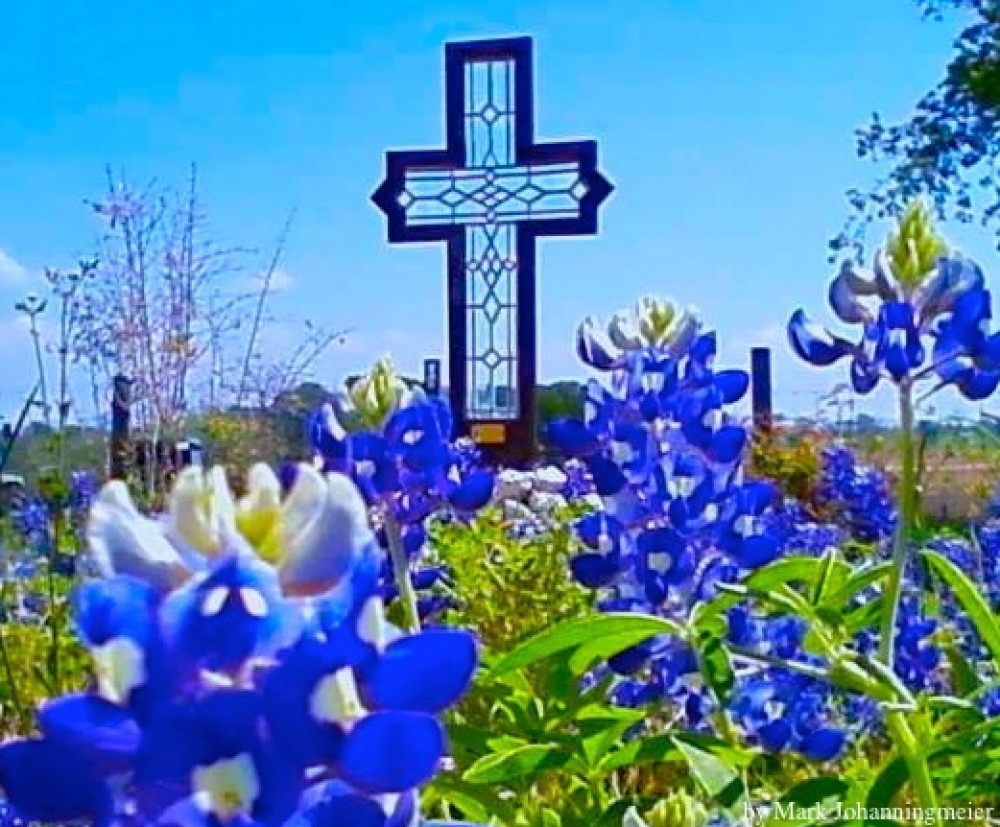
Jesus told His followers in Matthew 10:38 and 16:24 to take up their crosses and follow Him. The listeners were not thinking of a nice necklace. 

The Deniers in Matthew 27:40 knew and saw the works of God Jesus had done. They thought Rome and a piece of wood would let them keep the Temple, tithes, and titles.

The Twelve proclaimed Jesus’ death on the cross (a curse) and his resurrection (a blessing) in Acts 5:30 and 10:39.

Paul recognized the Cross of Jesus as many things. This knowledge and preaching led to Paul’s wrestling and suffering.

1. A tool of reconciliation, Ephesians 2:16 and Colossians 1:20.

2. Foolishness and a stumbling block, Galatians 5:11 and 1 Corinthians 1:18.

3. Enemy Maker, Philippians 3:18 and Galatians 6:12.

            The Cross | Mark’s Bible Study          

  • The Resurrection – This event is serious bad news for the kosmokratór and his close friend Death. The evil one (ponērou) saw this threat to his plans and started deflections as soon as he could. Deniers vehemently claim that the Bible is just copying myth and legend of the societies around them. Many ancient cults have “someone” dying and coming back to life. The Greeks and Northern Europe have several gods who do this. Allow me to flip that coin and stand it on its edge; the ponērou pushed that lie to neutralize the coming victory of Jesus on the cross. The evil one understood the symbolism of Noah and the Flood very well.

I do not know or understand why the Sadducees rejected the idea of resurrection. Besides the Flood narrative they had Issac and their exodus from Egypt through the Red Sea. The kosmokratór was obviously at work to destroy hope and keep all eyes on the works of man (Herod’s Temple) to save them.

Greek Concordance: πονηροῦ (ponērou) — 13 Occurrences These thirteen are masculine singular forms of G4190 and are found in Eph 6:16 and Matthew 5:37 and 6:13.

Verses and ideas on the Resurrection (I suggest a word search tool): Jesus – Matthew 16:21 Jesus told them and added the three days. Peter – 1 Peter 1:3 a new birth and living hope. Power – Acts 4:33, Romans 1:4, and Philippians 3:10. Attacks – 1 Corinthians 15:12 and 2 Timothy 2:18. Other verses – Acts 5:30, 10:39, 17:18, 23:6, 24:15, and 24:21.

Old Testament references might be found in verses with ransom and redeem. Use Hosea 13:14 as a reference.

  • Circumcision was the physical sign of the Lord’s Covenant with Abraham (Genesis 17). Later it was included in the Law as a requirement of a male to be an Israelite. Under Roman rule if you were a Jew (circumcised) you did not sacrifice to Creaser. Paul’s letter to the Galatians (a region in Turkey) has much to say about this topic, see 2:12; 5:11, 12; and 6:12. Paul had much to say about those who demanded Gentiles be circumcised: 1 Corinthians 7:19, Titus 1:10, and Philippians 3:2. Paul’s view for the Gentiles is found in Colossians 2:11; a circumcision done without hands.
  • The Law is and was important, the Father wrote it. Acts 13:39 says it well – Through him everyone who believes is set free from every sin, a justification you were not able to obtain under the law of Moses. (NIV) Paul, being a Jew, honored the Law of Moses. A few verses to considered: Acts 21:24 and 28; and 23:29.
  • Natural – In 2 Corinthians 11:26 -33 Paul gives a glimpse at his palē. I have been constantly on the move. I have been in danger from rivers, in danger from bandits, in danger from my fellow Jews, in danger from Gentiles; in danger in the city, in danger in the country, in danger at sea; and in danger from false believers. (NIV)
  • Supernatural – Demons knew Paul, so not to over spiritualize everything, I will note Acts 16:16. A female slave had a spirit that predicted the future and was being a thorn to Paul. This is like the times Jesus would not let the demons announce who He was. He did not need the testimony of devils.  

Paul warned the Church about their palē from false brothers and teachings. They had been growing even before the Apostle John died. I will mention this one that attacked who Jesus was, it is called Arianism. This teaching is called Christian, but it is not, and it spread very quickly among the intelligent and learned of the day. The Visigoths of northern Europe especially were attracted to this teaching. If they sound familiar it is because they attacked and sacked the Western Rome Empire. I consider this a holy war.
Arianism – Wikipedia 

Visigoth | History, Culture & Legacy | Britannica

Easter 2015 – Reflections

How Would You Rewrite the Resurrection Story?

This may seem like a strange question but as I read and reread the stories of Holy Week I noticed Easter Sunday did not get a lot of print from the Gospel Writers. I started counting from the story of the “Triumphal Entry” or Palm Sunday to the women going to the tomb and the events of THAT day and this is the count of the verses I came up with:

  • Matthew 369 vs. 15 and 5 of that is about the guards – 4%
  • Mark 233 vs. 8 then the add on of 6 – 6%
  • Luke 233 vs. 49 – 17%
  • John 275 vs. 23 – 8 %

Luke, the Gentile, wrote the most and he wasn’t even there.

Does this seem right? Resurrection Sunday, Easter, the most important day in Christianity and from the writers we get a total of 101 verses!

If we look at the narratives it is even more shocking. Most of the verses are talking about the women or the guards with Jesus just making cameo appearances. In Mark Jesus does not even show up until someone added it at a later time (argue with the editors of the NIV). The main message on Easter Sunday from the angels and Jesus was “Go to Galilee”; well at least in Mark and Matthew. Luke and John deal with the measures Jesus took to convince unbelieving disciples that He was alive. (SIDE NOTE: This, being one week later was when Jesus showed up to have a heart-to-heart with Thomas and restore him.)

How could this oversight have happened? Why so little about the most important day in Christianity?   John went on to write Revelations and three epistles. Luke wrote the Acts of the Apostles and Mark probably did the writing of 1 and 2 Peter for his uncle. Matthew preached to nations and got martyred.

0h, wait maybe they wrote about what was important! What do you do with the Resurrection? How has Jesus coming back to life changed everything?  Never mind they are fine just the way they are written.

Reflections On The Resurrection #6 – Ascension

The Bride Needs Time to Get Ready!

In reflecting on the Resurrection it is important to understand the Jewish roots for this time period.  Jesus came to fulfill all of the Law and the prophetic writings about Himself.  In doing this study a phrase kept showing up in the Gospels about Jesus “opening the disciples minds to the Scriptures.”  It is easy to think that as Christians we have received the revelations and we know it all but the uneasy feeling that if men who were raised in the Word of God and were taught by Jesus needed their minds open it may be time to do more studying and listening to the Lord.

This website (http://www.hebrew4christians.com/Holidays/Spring_Holidays/Shavuot/shavuot.html) brings out things that I did not learn in Sunday School.  This time period after Easter is known as the “Counting of the Omer” and symbolizes the time from the exodus out of Egypt to the receiving of the Commandments on Mount Sinai.

His_Ascension008Ascension Thursday forty days after “First Fruits” (which was barley) is in the time period that wheat is maturing for harvest (Jubilee).  Jesus has been teaching and eating with the Disciples as they have left Jerusalem traveled to Galilee and then back to Jerusalem.  Imagine the concentrated teaching on His Kingdom that He is giving them but even with everything they have seen the question that is asked in Acts 1 is, “Are you restoring Israel at this time?”

Jesus’ plan was bigger than just Israel because He had been telling them to go into the world.  John 14: 15 -31 however tells what He had planned before they could go to the world.  This is part of His discourse during the Passover meal before the Disciples paradigm was shattered and their reality was changed.  There are two things Jesus offers them in these verses – Peace and the Holy Spirit.  The peace was immediate but the Holy Spirit was going to have to wait until Jesus was gone (John 16:5 – 16).  In verse 28 and 29 He talks about going to the Father, I always thought that was about Easter but it may foreshadow the Resurrection/Ascension and the day of Pentecost.

There are several “forties” periods in Scriptures and I know that many times people associate it with testing but Jesus will not test what He has not taught.  These forty days have been a learning experience for the Disciples but I will still ask why leave at forty?  So as I pondered His ascension another “shadow” showed itself and that was the Bride needed time to get ready.  So the next ten days of pray and the election of Matthias are part of the picture of what we should be doing while we wait for Jesus to return as the angels said He would in Acts 1:11.


http://clipart.christiansunite.com/1401100861/Pictures_of_Jesus_Clipart/His_Ascension_Clipart/His_Ascension008.jpg

Restorations With The Resurrection

The Resurrection was a powerful time when Jesus announced to all Creation that He had taken back what was rightfully His.  As I said in Post #4 those contacts were not accidents and in this post, I will focus on the restorations that occurred in the first glorious hours and then during the rest of the time leading to Pentecost.  Jesus as the Master Healer knew what His followers had just been through, some of them had faired better in their testing than others so Jesus very carefully touched those lives at the point of need.  And that is the first important point, Jesus went to His followers and healed hurts from a traumatic event.  He did not go to the masses of people who had ushered Him into town on a donkey or the ones who marveled at His teaching in the Temple or even to Simon the Leper His dinner host.  He went to specific people in a specific order to manifest the needs in their lives for healing.  After reading and rereading the chapters on the Resurrection I realized that not only did He mean to heal them but that they represented future believers and the needs we would have.

Mary Magdalene

Mary Magdalene is the stunned believer whose paradigm of the world is shattered and is now going on natural instinct and feelings.  She was doing her best and was determined to take care of a body that had risen and no longer needed her help.  In fact, she did not even recognize Jesus at first.  But Jesus called her BY NAME to revive her flame and have her go to others to awaken them from their hurts.

John (the beloved)

John’s tender heart and love for Jesus was crushed as he accepted the responsibility for Mary, Jesus’ mother, and watched his hope die during the darkness of the cross.  He had stopped believing, the words of the women seemed nonsense but he ran to the tomb hoping with each step for a miracle.  The silent emptiness of a tomb was that miracle, it was what he needed to believe but his timidity required someone else to lead the way into his healing.

Peter

Peter, the (little) rock, the professor of the divinity of Jesus, the one who followed Jesus to trial and faced his own trial and failed as he denied his relationship with Him.  He had chosen to separate himself from Jesus, but he knew his lie was a lie and he was desperate to find Jesus again.  He ran at the hope of finding Jesus but was left wondering by an empty grave.  Even though Luke and Paul both mention that Jesus met with Peter alone it is not recorded what was said or what happened (Luke 24:34 and 1 Corinthians 15:5). This is as it should be because some things are not to be made public.  But Peter’s fall was so great that it took ridicule from the disciples (implied in Luke) and three more meetings before Peter could answer Jesus’ three questions and accept his calling again to “tend the sheep.”

Cleopus

Cleopus and the other unnamed disciple who identified as part of the group and had associated with them during the hours of the darkest crisis were now going the wrong way.  (Emmaus is the wrong direction from Galilee.)  He was not up to take Judas’ position or one of the “Seven Deacons” but he was around to tell Luke about his story when Luke was doing his research.  This story even made the add-on text at the end of Mark.  Possibly his wife (Mary wife of Clopas) was at the tomb (John 19:25) with the other women.  I guess my point is Jesus took the time to personally talk to him and give him the academic explanation to cure his slow heart.

The Ten

Hiding in a locked room celebrating a Jewish feast we find the handpicked instruments that Jesus was to use to change the world.  I can count but Thomas was not there the first night that Jesus appeared and Judas, if he were alive, would not have been welcomed.  How many were actually there? It could have been twelve or it could have been 120 we do not know.  So I am going to handle this set of people differently.

This group of Eleven had run from Jesus, just three nights before, leaving Him with an angry mob.  Their plans of kingdoms and positions of authority had changed with a Roman cross.  Fear had kept all but two from going to the tomb when their trusted sisters were proclaiming a risen Jesus.  Mary Magdalene and Peter were ignored when they claimed personal visitation.  Still, Jesus’ first words to them were “Peace be with you.”  His fallen leaders needed peace and a good rebuke for their lack of faith so that is what they got but they also were given the assurance that He was alive and not a ghost.  They touched Jesus and ate with Him.  More importantly, He breathed on them the Holy Spirit and a way to have peace – to forgive sins of those that had just offended them.

The other group is the faithful men and women who had walked with and taken care of Jesus.  Maybe some were from the seventy-two He had sent out!  But now it was a whole group of people that had confused frightened leaders and were leaning to old religious customs and not on Jesus.  He had come to give the whole group PEACE.

Thomas

Thomas the future apostle to India was not at Jesus’ first visitation.  He, in true form of the other disciples, refused to believe words that sounded like nonsense.  I hope he was with his family for the beginning of the Feast of Unleavened Bread but the fact is that he had left the group during a time when you might have expected everyone to be together.  So Jesus shows Himself again (during the meal to end the Feast) proclaims “Peace” and sets about to restore a prodigal son and chosen leader.  It must be noted here that they still have not left for Galilee.

The Seven in the Boat

John in his Gospel points out that this was the third time that Jesus had shown Himself to His disciples.  The good news is that at least they were in Galilee.  The seven were Simon Peter, Thomas, Nathanael from Cana, James, John, and two other disciples.  For editorial sake only let us name the “other two” as Joseph and Matthias the men who were selected to take Judas’ place.  Some literature suggests that Peter was not just fishing that day but he was going to make it his profession again.  Not only is the cast of characters important but so is the fact they caught nothing.

It seems that the only one who really recognized Jesus was John.  Peter had not and the others were afraid to ask who He was when they reached the shore.  He met their physical needs by having breakfast ready for them and even though the three questions were addressed to Peter, I will guess all of them were trying to answer those questions.  Jesus will give additional support when it is needed and apparently these guys had to have more quality time with the Lord.

The 500

Paul in 1 Corinthians 15: 6 is the only writer to mention this meeting.  Matthew may refer to it in his gospel but there were probably many unrecorded meetings.  Who could these five hundred have been?  How many had been part of the seventy-two missionaries Jesus had sent out?  Had they been part of the 9000 men who had been fed on those two special days?  Had they followed Him through Nain when He raised the dead son?  This list could go on for a while but several Gospels make the point that people still doubted when they saw Jesus during these forty days of the Resurrection.  Even in this doubt Jesus met with them, fed them, and taught on His Kingdom.

How many of these people joined the Apostles in the Upper Room for prayer and so were counted in the 120 on the day of Pentecost no one records that.  Were the other 380 in the crowd when Peter preached the first post-Jesus sermon?  We do know that people professed to have been there because Paul says most of them were still alive when he wrote to the Corinthians.  So His presence must have healed the doubt and strengthened their lives.

James

This should be His half-brother James, the author of the epistle and the head of the Jerusalem Church.  Jesus knew he had a job to do but the only mention of Jesus’ brothers was of them mocking Him about Passover or being with Mary trying to retrieve her “crazy” son.  Imagine having Jesus as an older brother!  What must the family thought when He turned water into wine and started having crowds of people following after Him to be healed.  This private conversion did the work because in those ten days from the Ascension to Pentecost Mary His mother and His brothers are listed as those present in the upper room constantly praying.  So for those living in the shadows of family members Jesus wants to meet you in the Resurrection and give you a job to do.

Women and the Resurrection

Studying the Resurrection has settled several things for me and one of them is that all of Jesus’ contacts on Easter morning did not happen by chance.  The fact that Jesus and the angels talked only to the women of the group of disciples was not by chance. (John and Peter showed up but no one talked to them.) I feel that it was the fulfillment of Genesis 3:15 because the woman’s seed had crushed the serpent’s head so the ladies should have been the first to know that Jesus was alive.

I think it is noteworthy that women were present on the way to the cross, present at the cross, and boldly had gone to the grave while the only man that was mentioned at the cross was John.  The women that are listed as being at the grave and/or cross are Mary Magdalene, Mary the mother of Joses and James the younger, Salome, Joanna, and the others (possibly Mary Jesus’ mother, His aunt, and Mary the wife of Clopas who was at the cross).  I compiled this list from Mark 15 and 16, Luke 24, and John 19.  Mary Magdalene is mentioned in all four Gospels as being near the tomb on Easter.  In Exodus 23:17 it says that three times a year all the men are to appear before the Lord so the women being present at the feast showed their commitment to God and to Jesus.

Mary Magdalene has become the center of a lot of controversies but I think she knew The_Resurrection015what she had been delivered from and was thankful for it.  She seems to have been a detail-oriented person who was very outgoing and was not afraid to take charge of something and get it done.  Mary also had the ability to get other people on board with a project and get things finished.  She above anyone else would not have been the least bit intimidated by the negative disbelief of the men and her persistence paid off by moving John and Peter to go to the tomb.  I doubt she was alone when Jesus called her by name but it is possible and would be consistent with her character; she was going to find the body of Jesus and properly bury Him.

Jesus rewarded the faithfulness of women and settled for all times their importance in the Church by first showing Himself to them that Resurrection Morning.  He used them to challenge the men to believe and to get moving to Galilee as He had told them.

http://clipart.christiansunite.com/Easter_Clipart/The_Resurrection_Clipart/index3.shtml