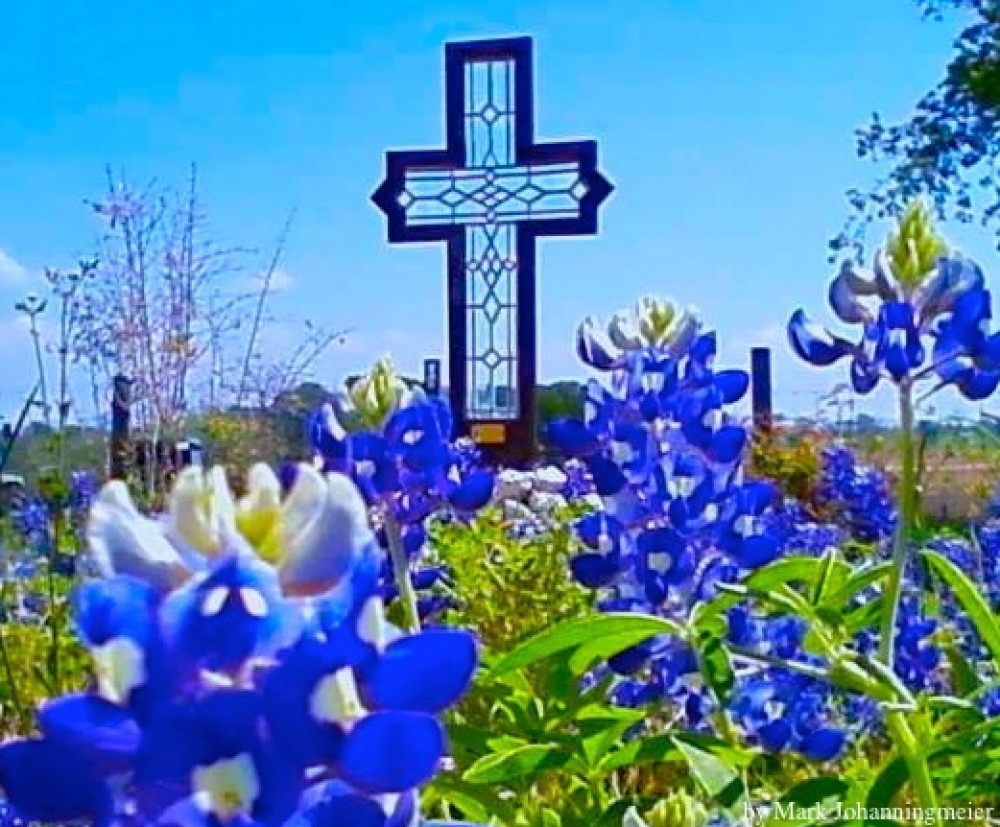
The Tree That Will Prosper comes from my reading of Jeremiah 17: 7-8. This word from the Lord starts in verse 5 and together they repeat the thoughts in Psalm 1. Psalm 1 starts with the positive and goes to a negative, while Jeremiah begins with the negative and ends with the positive. I used the wordsearch in BibleGateway and found Psalm 104:16 (This is a good natural science psalm) as another reference to trees planted by the Lord being well watered. This brief look with focus on the tree and the prospers/blessed.
Tree
Etz is the main Hebrew word for tree and wood. There are other words that were added for these things, especially wood or lumber. Since certain vines have a woody stem, they may also be an etz.
As I have thought about this post, I have remembered that it is important to “not miss the forest for the trees”. Father God used etz, of various kinds, in His interaction with man. The Holy Spirit will use that imagery and metaphorical symbols to teach us about God and His activity with us. The “forest” is Father God, His love for those who are called and chose to follow Him, and the righteous relationship He wants with us.
Trees/wood are an important feature in the Bible. Etz starts in Genesis with the garden they were a part of and go all the way to the garden in Revelations where they are for the healing of the nations (both of those trees are by water). Along the way trees and wood serve noble, common, and ignoble purposes. Again, see the Forest and learn from the trees. I will list a few, and these are in no particular order:
- Noah’s Ark was wood and pitch. Noah also planted grapes and problems occurred because of the fruit. Please note that Noah used wood to save mankind, his descendants used bricks made of clay and sealed with pitch to save themselves.
- The Ark of the Covenant. The chest and poles were wood covered with gold. Many of the other things Moses made were wood covered in gold. The Mercy Seat was pure and it was gold.
- Abraham cut wood and Isaac carried it to Mount Moriah.
- Joshua and others hung enemies on trees (Joshua 10:26).
- The Romains hung Jesus on wood.
- The Root of Jesse and the Root of David. Roots, like certain vines, are woody but they are not good for structural lumber, but the plant will not live and grow without them.
- Grapes. There are good and bad things associated with this woody vine. Why were Nazirites forbidden to do anything with this etz? Do a wordsearch in the KJV and you will find “vine tree”.
- Fruit trees. Figs and dates were the main food trees, but there were others.
Strong’s Hebrew: 6086. עֵץ (ets) — Tree, wood, timber My paper Strong’s/Vine’s Concordance was a great help with this study and it gives a slightly different look than the on-line version.
Muse Moment – Psalm 1 is “the beginning” of Jerusalem and Jeremiah 17 is “the end” of Jerusalem; other things that might take the place of Jerusalem for this musing: David’s “first-line” of kings, the first Temple. Jerusalem’s water supply and its pools would be a good study.
I grew up in south Louisiana, my paradigm of a tree planted by water is possibly different than yours. My point, think about what David grew up with. It was not the boreal or hardwood forest much of the world will imagine. So, joining a man/tree with being blessed/water may need more thought. (Modern Israel found out by accident that water supplied underground to the roots of trees is more productive than dumping water on top of the ground.)
Prosper/Succeed – Blessed
Strong’s Hebrew: 6743. צָלַח (tsalach) — To prosper, succeed, advance, thrive
The form of the above word that is in Psalm 1 is Hebrew Concordance: yaṣ·lî·aḥ — 3 Occurrences
The three times it is used proved to be helpful and added a good twist to this study. If you take those three usages and add Jeremiah and put them in a chronology order they show a positive, negative, and practical application of the term. Psalm 1, Proverbs 28:13 (vs 14 talks about blessed), Jeremiah 17(not one of the three), and Nehemiah 2:20 are the verses I considered, in order.
- Psalm 1 is a positive thought. (David)
- Proverbs 28:13 is a negative thought. (Solomon as copied by Hezekiah’s men. Pr. 25:1)
- Jeremiah 17.
- Nehemiah 2:20 is a practical application of prospering. Nehemiah is dealing with an enemy (Sanballat) while claiming God’s blessing. The proof of that prospering/blessing is a finished wall in a record time.
David is the first one to use this form of the word tsalach. 2 Samuel 7:28 is part of David’s prayer and it speaks of blessings. He did prosper, he was blessed, and he sinned and paid a heavy price for that sin. David got “pruned” in the natural, but he turned to God and asked for forgiveness.
Be “The Tree That Will Prosper” by repenting and accepting the grace of the Father from the finished work of Jesus on the cross (etz). Ask for the Holy Spirit (Acts 2). Find a “stream” put down your roots and be used to heal the nations.
 Mark's Bible Study