With ink and leaf, melodies for the ear, art to envision the possibilities, and cinema to connect the pieces of Tolkien’s world we find his creation of Moria. The mine or house or land belonged to the dwarves and was taken over by the orcs and other terrors. This Khazad-dûm, this black pit played its role to perfection in both The Hobbit and Lord of the Rings. The Fellowship entered it by calling “friend” and left in tears and grief.
J. R. R. Tolkien the scholar and more important a Christian, who influenced C. S. Lewis to believe in Jesus seems to have used a Greek word to name this land under the Misty Mountains. Moria, Strong’s G3472, means foolishness. Paul uses this word five times in 1 Corinthians – 1:18, 21, 23; 2;14; 3:19.
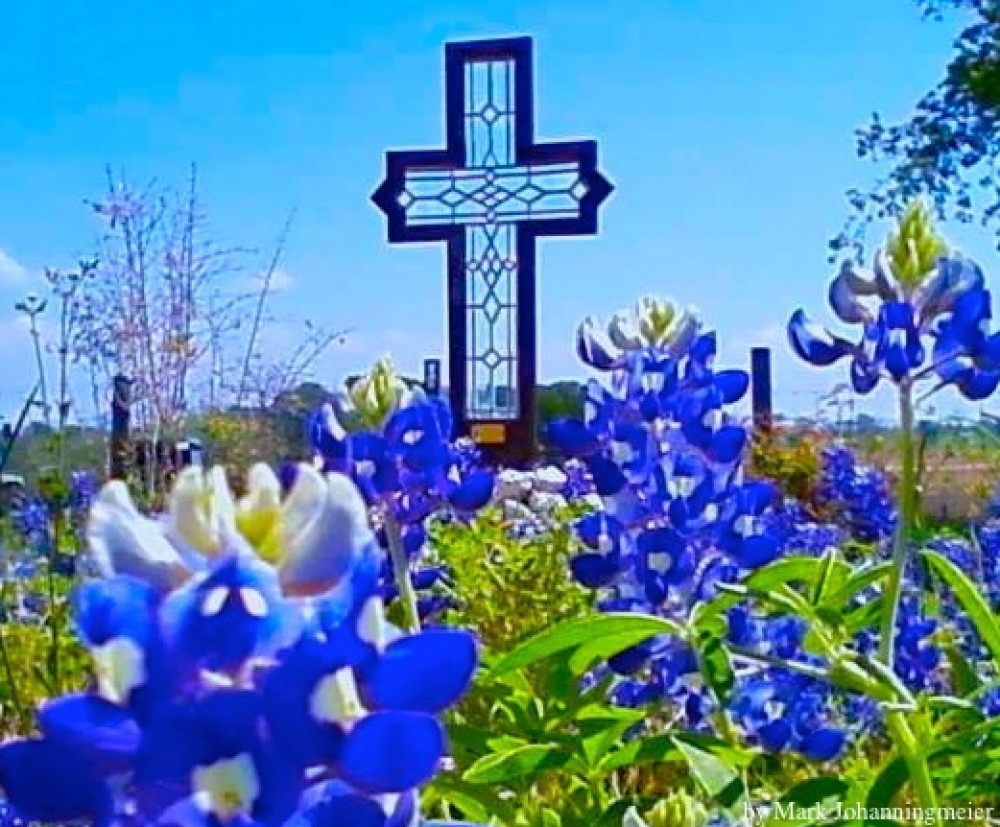
The verses in Chapter 1 deal with Jesus and His Cross being foolish to Jews and Greeks, but to us who have believed it is salvation. 2:14 sees the man without the Spirit of God finding only foolishness in spiritual words and truth. Paul ends his use of these words by stating in 3:19 that the wisdom of this world is foolishness to God. If only Adam and Eve had eaten from the Tree of Life first the knowledge of good would have been given to them and the moria of evil would have been clear.
Paul’s time in Corinth is recorded in Acts 18. Please read that before studying the Letters to the Corinthians. It is good to note that the Church that lacked no spiritual gift had troubles and trials and needed additional instruction and encouragement to live righteously (in right relations with God and each other).
Strong’s Greek: 3472. μωρία (mória) — foolishness (biblehub.com)
 Mark's Bible Study